
The boxes are packed, the movers come on Thursday, and the inspection is on Saturday. What you need now is not advice but a list you can work through with a cloth in one hand and your phone in the other. This checklist follows the order in which handovers in Dubai typically run, so the places an inspector sees first are the places you finish first. It ends with the photo set that makes your cleaning provable.
What should you sort out before you start cleaning?
Make sure the home is empty, the utilities are still connected and you have what you need on site. Cleaning around boxes takes twice as long, and cleaning without water or light is not possible.
- Empty everything first. Every cupboard, drawer, wardrobe, the storage room and the balcony. Cleaning is fastest in an empty home.
- Water and electricity stay connected until after the clean. If your disconnection date is earlier, move it or move the clean.
- Switch off and empty the fridge and freezer the day before, doors open, a towel underneath for the meltwater.
- Check your building’s rules. Many towers need a move-out permit, a service lift booking or a contractor pass even for cleaners. Arrange it before the day.
- Read the cleaning clause in your contract. It tells you whether a professional clean with an invoice is required or whether your own clean is enough. Our guide to what Dubai law says about cleaning and your deposit explains the difference.
- Have the basics ready: a step ladder, a vacuum with a crevice tool, microfibre cloths, a non-scratch sponge, a descaler, a degreaser, a scraper for glass, rubber gloves and bin bags.
One Dubai-specific rule before you begin: vacuum or wipe loose dust away before you scrub. Indoor dust in Dubai is largely mineral. A 2023 study of twenty Dubai homes measured calcium at an average of 14,170 mg/kg in household dust, alongside potassium, magnesium, aluminium and iron.1 That grit scratches glass, stainless steel and lacquer when it is rubbed in dry.
How do you clean the kitchen for a handover inspection?
Start here, because the kitchen is where most inspections start and where most deductions are argued. Work from the top down: hood, cupboards, appliances, worktops, sink, floor last.
| Item | What the inspector looks for | How to get it right |
|---|---|---|
| Extractor hood | Sticky film on the underside, grease in the metal filter | Remove the filter, soak it in hot water with degreaser, rinse and dry. Wipe the underside and the light cover |
| Wall cupboards | Dust on top, crumbs and marks inside, sticky handles | Wipe tops first, then inside shelves and doors, then fronts and handles |
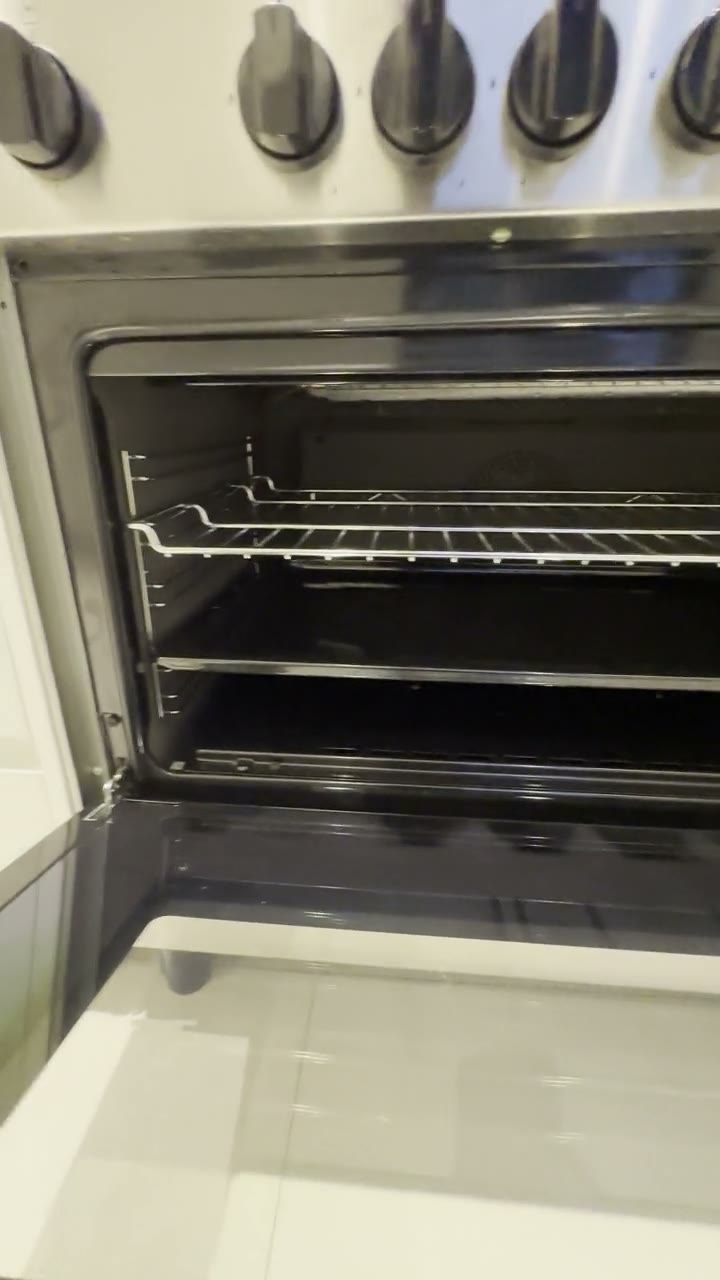
| Oven interior | Burnt residue on the floor and walls of the oven | Apply oven cleaner or a paste, let it work, then scrape gently and wipe. Take out the side racks if they unclip |
| Oven door | Brown film between the glass panes | Many doors open or the inner pane lifts out. Check the manual before forcing anything |
| Trays and racks | Baked-on grease | Soak in the bath or a large tub overnight, then scrub |
| Hob | Burnt rings, residue around knobs | Glass hobs: scraper held flat. Gas hobs: remove pan supports and burner caps and soak them |
| Fridge and freezer | Smell, stains on shelves, mould on the door seal | Remove shelves and drawers, wash and dry them. Clean the folds of the door seal |
| Dishwasher | Food in the filter, marks on the door edge | Twist out the filter at the bottom and rinse it. Wipe the door edges and seal |
| Washing machine | Black marks in the door seal, residue in the detergent drawer | Pull out the drawer completely, wash it, clean the drawer cavity. Wipe the rubber seal inside the folds |
| Splashback and worktop | Grease spots, limescale near the tap | Degreaser for the splashback, descaler around the tap. Check the stone type first |
| Sink and tap | Limescale on the tap base and aerator | Descale, polish dry so no new marks form |
| Under the sink | Leaks, old stains, rubbish | Empty, wipe, leave dry. Report any leak in writing |
| Base cupboards and drawers | Crumbs in corners and runners | Vacuum corners with the crevice tool, then wipe |
Leave the kitchen floor until the very end of the whole clean, because you will walk through it many times.
What do inspectors check in the bathrooms?
Limescale, grout and anything that shows water has been standing. Dubai’s water leaves white marks on glass and chrome quickly, and they are the first thing that catches the light during an inspection.
| Item | What the inspector looks for | How to get it right |
|---|---|---|
| Extractor fan grille | Grey fluff on the grille and around it | Vacuum, then wipe. Do not wet the motor |
| Mirror and cabinet | Splash marks, residue on shelves inside | Glass cleaner, dry cloth. Empty and wipe inside the cabinet |
| Shower glass and screens | White limescale film, especially on the lower half | Descaler, let it work, then rinse and squeegee. A glass scraper for stubborn spots |
| Tiles and grout | Dark grout lines, soap film | Grout brush with a suitable cleaner. Rinse well |
| Silicone joints | Black spots in the silicone | Surface spots can be cleaned. Stains deep inside the silicone usually need resealing, which is a repair |
| Taps, shower head, fittings | Limescale on aerators and the shower head | Descale, then dry and polish |
| Drains | Hair, smell | Remove the cover, clear the hair, rinse |
| Toilet | Limescale ring, base and behind the bowl | Clean inside, then the outside, the base and the floor behind it |
| Bath | Ring marks, the panel underneath | Clean the bath, then wipe the side panel and its edge |
| Door, frame and handle | Fingerprints, marks at the bottom of the door | Wipe the whole door, including the top edge |
What should you check in bedrooms and living areas?
The insides of everything that opens, and every edge where dust settles. Bedrooms are rarely dirty in the open; they are dirty on top, inside and along the bottom.
| Item | What the inspector looks for | How to get it right |
|---|---|---|
| Light fittings and switches | Dust on fittings, fingerprints on switches | Switch off, wipe fittings. Wipe switches and sockets with a barely damp cloth |
| Tops of doors and wardrobes | Dust on surfaces above eye level | Step ladder, vacuum first, then wipe |
| Wardrobes inside | Dust on shelves, rails, drawer runners | Vacuum corners and runners, wipe shelves and rail |
| Walls | Marks, scuffs, sticky residue from hooks | Light marks can be wiped if the paint allows it. Test first on matt paint. Holes and paint are repairs |
| Skirting boards | Grey line along the top edge | Vacuum, then wipe by hand. A mop does not clean the edge |
| Doors and handles | Fingerprints, marks around the handle | Wipe both sides and the edge |
| Curtain tracks and blinds | Dust on tracks and slats | Vacuum with a brush tool |
| Floors | Corners, under where furniture stood | Vacuum edges first, then mop. Last job of the day |
How do you clean the balcony and windows for a handover?
Clear the sand before you wash anything. Balconies and sliding door tracks collect most of the outdoor dust, and in Dubai that load peaks in July and August, not in spring. In our own monthly averages from the Copernicus CAMS reanalysis, PM10 reached 170.8 µg/m³ in July and 178.2 µg/m³ in August, against 54.3 µg/m³ in January.2 A summer move out means fuller tracks.
| Item | What the inspector looks for | How to get it right |
|---|---|---|
| Sliding door tracks | Sand and grit in the channels | Vacuum dry first, then wipe with a damp cloth. Never pour water in first, it turns sand to paste |
| Drainage holes in the frame | Blocked holes along the bottom of the track | Clear them with a thin brush so water can run out |
| Glass, inside | Fingerprints, streaks | Glass cleaner and a squeegee or dry microfibre |
| Glass, outside | Dust film, rain marks | Only where you can reach safely from the balcony. Never lean out |
| Frames and handles | Grey film on aluminium frames | Wipe with a mild cleaner |
| Mosquito screens | Dust in the mesh | Vacuum with a brush tool, or remove and rinse if they come out easily |
| Balcony floor and drain | Sand, bird droppings, blocked drain | Sweep, then wash. Check the drain runs freely |
| Balcony railing and glass | Dust and water marks | Wipe and dry |
If your windows can only be reached from outside the building, they are a matter for building maintenance, not your move-out clean.
What about the AC grilles and filter?
Clean the grilles and the washable filter. Leave the coil, drain pan and ducts to whoever is responsible for AC maintenance under your contract. Grey grilles and a grey filter are among the first things an inspector notices when looking up, and they are within a tenant’s reach.
| Item | What the inspector looks for | How to get it right |
|---|---|---|
| Supply grilles | Grey dust on the slats, dark marks on the ceiling around them | Vacuum with a brush tool, then wipe. Marks on paint around the grille may not come off fully |
| Return air grille and filter | Clogged filter behind the grille | Open the grille, take out the filter, vacuum or rinse it, let it dry completely before refitting |
| Thermostat | Fingerprints, dust | Wipe with a barely damp cloth |
| Area under the indoor unit | Water marks, drips | Note any leak in writing. A leak is a maintenance issue, not a cleaning one |
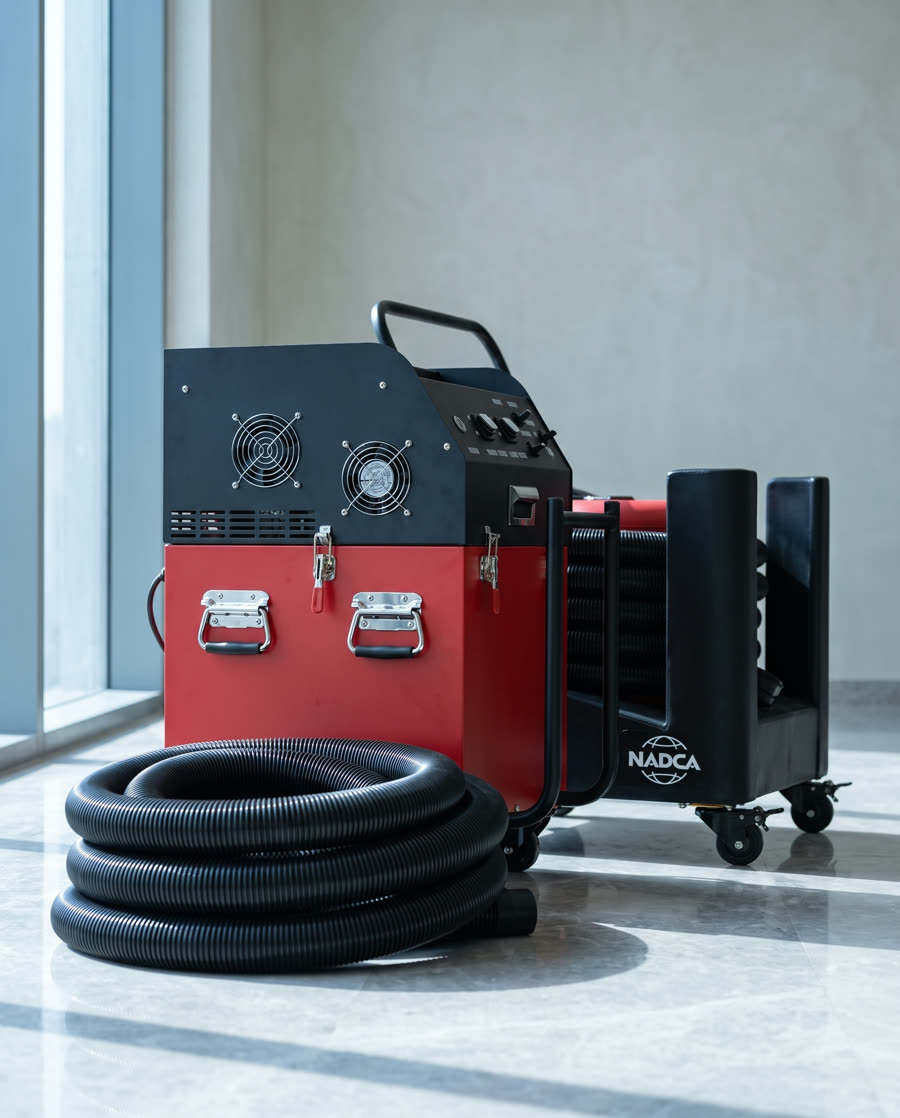
The parts behind the grilles are a different job. Dubai Municipality’s indoor air quality guideline recommends cleaning coils and condensate pipes at least every six months and the trays at least every month, as building maintenance.3 Whether that falls on you at move out depends on your contract. If it does, our AC cleaning service in Dubai is done by our own technician.
Which photos should you take after the clean?
The same photos you took at move in, from the same spots, in the same order. Two matching sets turn any disagreement into a quick comparison.
| Shot | What it proves |
|---|---|
| Each room from the doorway, then from the opposite corner | Overall condition, nothing left behind |
| Oven open, with racks in place, plus the hob from above | The kitchen’s most argued items are clean |
| Hood filter, fridge open, freezer open | Appliances emptied and cleaned |
| Every cupboard and wardrobe with doors open | Insides clean and empty |
| Shower glass against the light, taps close up | No limescale film |
| Sliding door tracks, close up | Tracks clear of sand |
| AC grilles and the filter, close up | Grilles and filter cleaned |
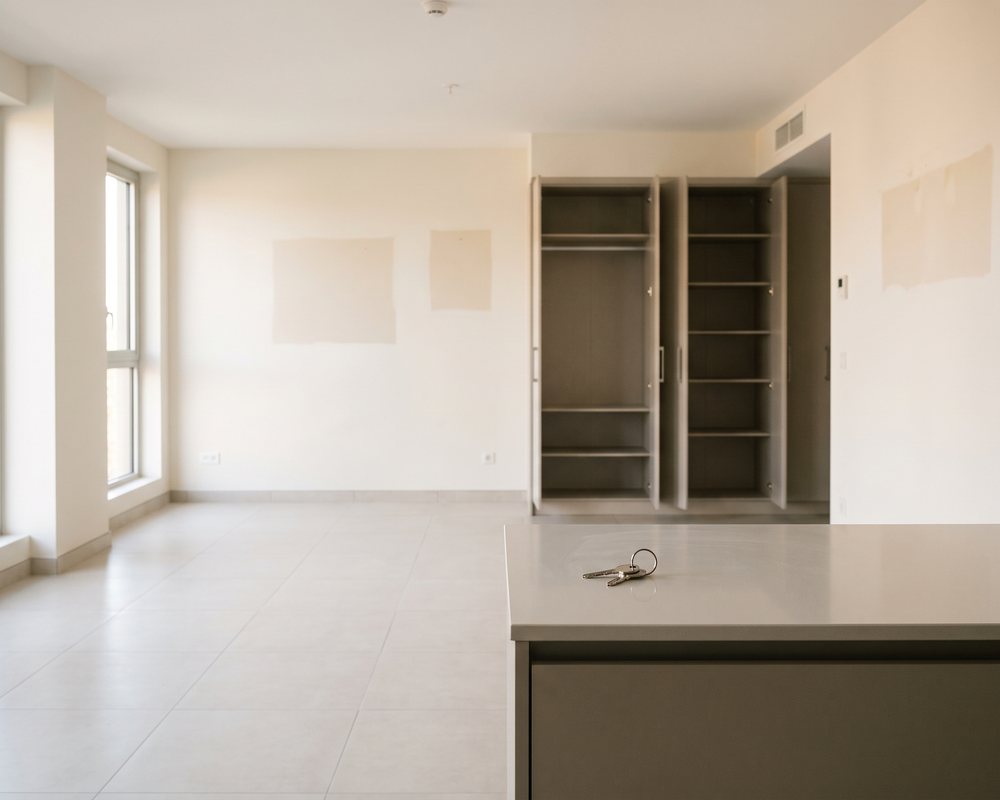
| Meters, keys, access cards and remotes on the counter | What you handed back |
Take the photos after the clean and before you return the keys. A slow video walk-through is a useful addition. Email the files to the agent or landlord, or at least to yourself, so the date is on record.
When is it worth booking a professional move-out clean instead?
When your contract requires one with an invoice, when the oven or shower glass has years of build-up, or when the time between moving out and the inspection is too short to do it properly. In every other case, a careful clean with this list can be enough.
If you hand it over, check that the quote covers the inside of every cupboard and appliance, the tracks and the AC grilles, not only “general cleaning”. Our move out cleaning in Dubai does, with one fixed price agreed on WhatsApp before we start and no extra charges on the day. For the difference between a handover clean and a full deep clean of a lived-in home, see what a home deep clean includes.